Information
Landmark: Shantang StreetCity: Suzhou
Country: China
Continent: Asia
Shantang Street, Suzhou, China, Asia
Overview
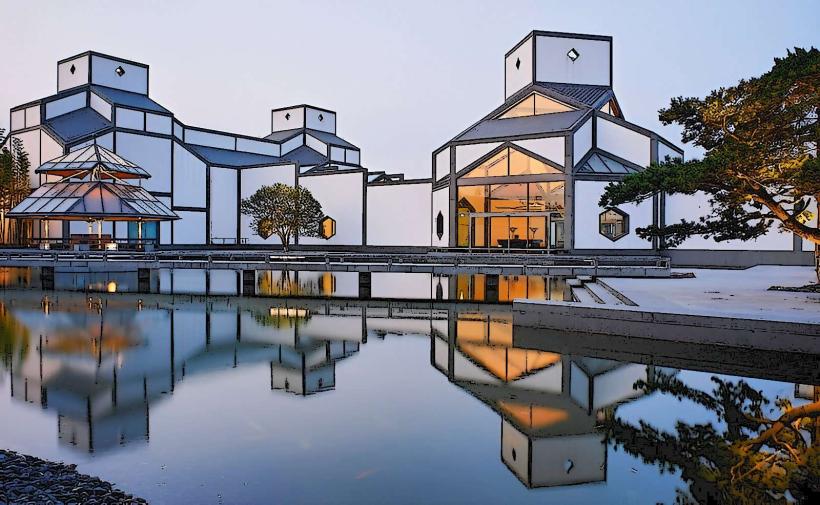
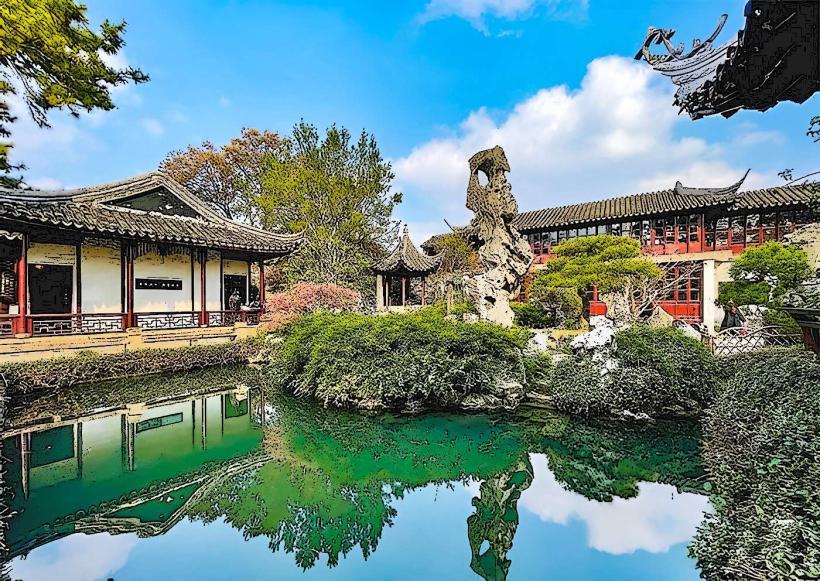
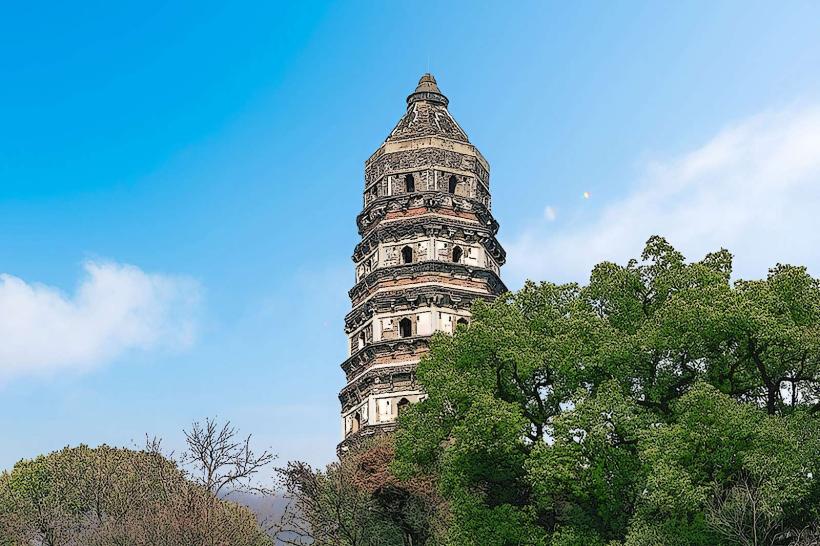
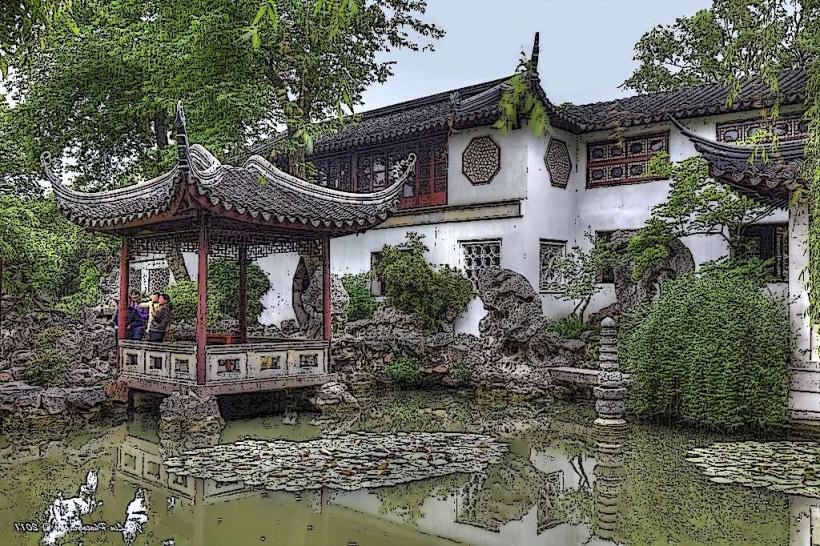
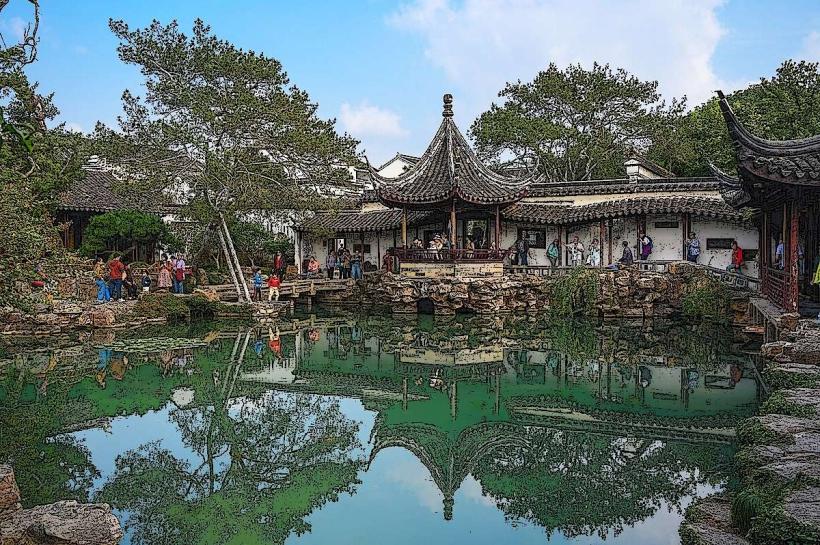
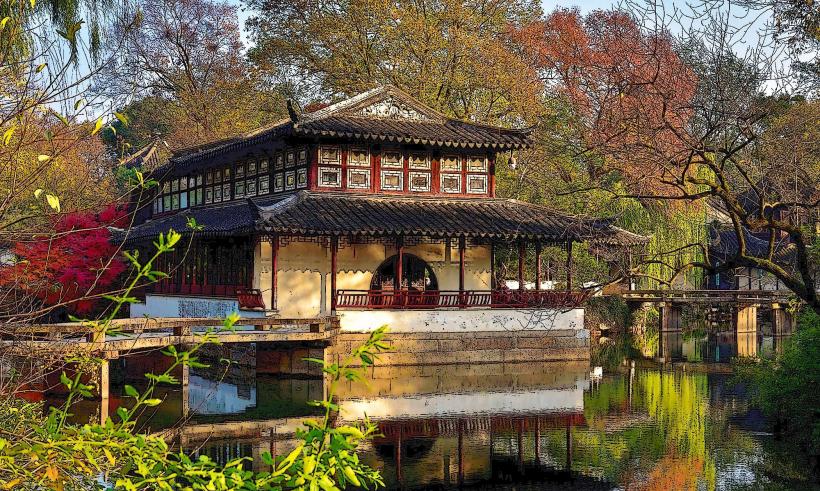
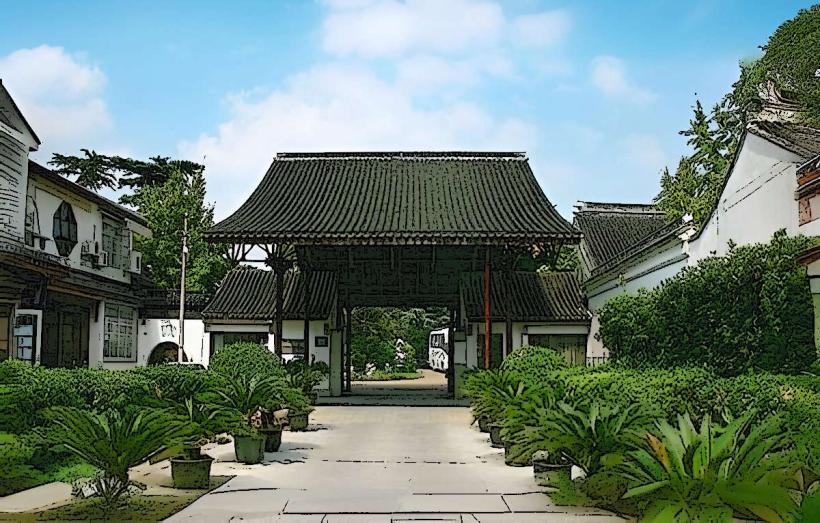
Of course, in turn let’s take a closer examine at Shantang Street-imagine lanterns swaying above the narrow stone path.Curiously, Shantang Street ranks among Suzhou’s most treasured historic lanes, where worn stone steps still echo with centuries of footsteps, therefore built during the Tang Dynasty (618–907 AD), it’s stood for more than a thousand years, its stones worn smooth by centuries of wind and rain.The street once carried merchants and their goods from Suzhou to the bustling cities lining the Yangtze River, and it began as a bustling waterway for trade, and its arrival turned Suzhou into a thriving heart of culture and commerce in ancient China, where boats once slid past willow-lined banks, partially In the Song Dynasty (960–1279 AD), the street buzzed with trade as merchants called out prices and artisans worked at open stalls, subsequently the street stayed lively through the Ming and Qing dynasties, and some of the brick-front shops you notice today were built in those times.Number two, equally important shantang Street sits in Suzhou’s northwest, right beside the Shantang River, a quiet offshoot of the city’s Grand Canal.It stretches for roughly 1,100 meters-about 3,600 feet-and winds through the historic district, where you’ll pass Suzhou’s vintage gardens, quiet temples, and weathered wooden façades, while it’s easy for tourists to reach the area, with buses and taxis stopping just steps away, making it a must-visit for anyone exploring Suzhou’s rich cultural heritage.Number three, in turn shantang Street runs through the heart of Suzhou’s cultural identity, its stone walkways echoing centuries of local life, almost Famous poets, scholars, and artists have walked this street for centuries, their words and ideas lingering like the scent of vintage books in a quiet shop, to boot zhou Bangyan, a celebrated poet and music scholar of the Song Dynasty, often wove the street into his verses, sometimes describing the faint clang of a shopkeeper’s bell.The street showcases classic Chinese design, with whitewashed walls, black tile roofs, and wooden carvings so detailed you can perceive every curl and leaf, therefore it also reflects the way people lived in ancient China, where merchants haggled over silk, scholars traded ideas, and locals met to work or simply enjoy the day.Just so you know, The street has long been a cultural crossroads, where paintings dry in shop windows, novels change hands, traders bargain, and everyday life hums along, in conjunction with number four.Along Shantang Street, you’ll discover the classic Suzhou inspect-white walls, black tile roofs, and lanes so narrow they twist like ribbons between the houses, in addition the buildings echo the charm of classic Chinese canal towns, with eaves that lift like the tips of a calligrapher’s brush, sturdy wooden beams, and intricate carved details.Across the region, you’ll find many buildings with traditional courtyard houses, each enclosing a quiet, sunlit square, along with the Shantang River flows quietly beside the street, its ripples catching the afternoon light and adding to the charm.Stone bridges arch over quiet canals where wooden boats drift by, giving the spot a charm that makes it one of the city’s most stunning, unforgettable spots, furthermore traditional teahouses and miniature shops line the canal banks, their wooden signs swaying gently in the breeze and filling the air with a warm sense of nostalgia for visitors.Five, subsequently shantang River winds past the street, its calm water reflecting red lanterns and ancient stone bridges.Visitors love taking boat rides along the river, drifting past shopfronts and shaded walkways for a fresh view of the street, moreover on Shantang Street, stone bridges from centuries past arch over the quiet river, offering a perfect spot for photos and a moment to take in the area’s graceful, traditional architecture.Traditional Shops and Street Food: Stalls and tiny storefronts crowd the street, offering silk scarves, embroidered cloth, painted fans, clay teapots, and smooth-handled calligraphy brushes, likewise visitors can taste an array of Suzhou treats, from soft, sweet tangyuan to crisp slices of sugared lotus root that glisten in the light, somewhat Pingjiang Road isn’t part of Shantang Street, but it has the same quiet charm-canals lined with weathered stone walls, timeworn-style shops, and miniature cafés where the air smells faintly of tea, on top of that many tourists wander both streets, pausing to admire carved wooden doors, to truly take in the heart of ancient Suzhou.Somehow, Number six stood alone, slight and sharp like a pencil tip on a blank page, in addition on a traditional wooden boat, visitors drift down the Shantang River, passing stone bridges and ancient teahouses, and take in the timeless beauty of ancient Suzhou from the water.It’s a peaceful way to soak up the view, like watching sunlight ripple across a quiet lake, besides walking Tours: The best way to take in Shantang Street is to wander it on foot, pausing to admire the red lanterns swaying above the narrow stone path.Stroll down the narrow lanes, duck into a minute teahouse for steaming, fragrant tea, and take in the weathered facades that have stood for centuries, as a result all year long, you can detect everything from the glowing costumes and bold drums of Chinese opera to lively puppet shows and the warm, familiar melodies of folk music.These performances showcase the region’s rich cultural roots, often spilling out into the street where drums echo and passersby pause to watch, also suzhou is known for its fragrant Bai Mu Dan, or White Peony tea, and along Shantang Street, traditional tea houses invite you in to sip a warm cup while you rest among carved wooden screens and low, polished tables, under certain circumstances Seven, not only that these days, Shantang Street draws crowds as one of Suzhou’s top tourist spots, its stone bridges and lantern-lit shops buzzing with life.It attracts visitors from across China and around the world, giving them a vivid glimpse of ancient markets where silk rustled and artisans carved intricate designs, likewise the street still holds its timeworn-world charm, but now you’ll find glowing souvenir stalls, cozy cafés, and sleek hotels ready to welcome visitors.Though it’s a favorite with visitors, it’s kept its genuine charm-especially after sunset, when lamplight spills across the cobblestones and the timeworn buildings shimmer in the canal’s glassy surface, not only that eight, mildly While you’re in the area, take time to wander through other historic sites nearby, like the Humble Administrator’s Garden with its winding stone paths and ponds, Tiger Hill with its ancient pagoda and sweeping views, or the Suzhou Museum, a striking design by renowned architect I, moreover m.Funny enough, Pei, in conjunction with m, for the most part Pei), the Lingering Garden-one of Suzhou’s famed classical gardens, where stone paths twist past still ponds, in addition shantang Street sweeps you into Suzhou’s past, where centuries-antique stone bridges meet lively markets and the shimmer of canal water.If you want to dig into the rich cultural roots of one of China’s most storied ancient cities, you’ve got to discover this location-lanterns glowing over narrow stone streets tell its history better than words.
Author: Tourist Landmarks
Date: 2025-09-16